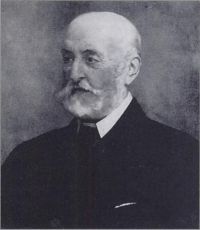
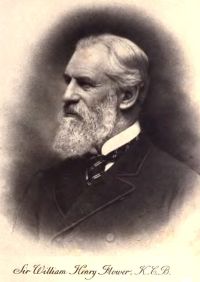
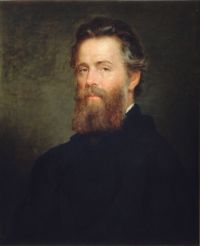
Baleen, a keratin-based filter-feeding structure found in baleen whales, acts as a sieve to capture prey such as krill and copepods. This specialized organ, made up of fringed plates that line the upper jaw, evolved from epidermal ridges and gradually substituted teeth in mysticetes over millions of years. Scientists such as St. George Jackson Mivart and David Keller Caldwell emphasized its transformation from ancestral teeth, while naturalists like Frederick Marryat and Herman Melville illustrated its role in both biological adaptation and literary symbolism.
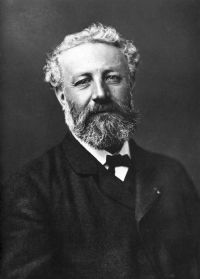
Writers ranging from Charles Darwin to Jules Verne examined baleen’s function, evolutionary importance, and cultural applications, highlighting its dual nature as a biological wonder and a material influenced by human creativity. The integration of these viewpoints portrays baleen as a convergence of scientific exploration, ecological adaptation, and historical human engagement.