Gregorian calendar

Definition and stakes

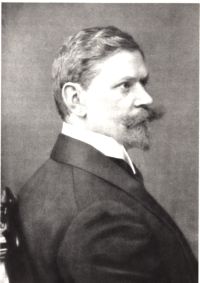
Portrait of Algernon Blackwood Algernon Blackwood,  The Extra Day — Chapter XIV: Maria Stirs (1915)

“ Well, sometimes a nation finds out its mistake and alters its calendar. Russia has done this; the Russian New Year and Easter are not the same as ours. Pope Gregory, the thirteenth, ordered that the day after October 4, 1582, should be called October 15. He called it the Gregorian Calendar; but there are lots of other calendars besides--there's the Jewish and Mohammedan, and a variety of calendars in the East. All of them can't be right. The result is that none of them are right, and the world is in confusion. Some calendars mark off too many days, others mark off too few. ”
Source: Wikisource

George Nichols Packer,  Our Calendar

“ But this order is interrupted in the Gregorian calendar at the end of the century by the secular suppression of the leap-year. It is not interrupted, however, at the end of every century, for the leap-year is not suppressed in every fourth centurial year; consequently the cycle will then be continued for two hundred years. It should be here stated that this order continued without interruption from the commencement of the era until the reformation of the calendar in 1582, during which time the Julian calendar, or Old Style was used. ”
Source: Gutenberg

1911 Encyclopædia Britannica, Volume 4… (1911)

“ This equation gives the dominical letter of any year from the commencement of the era to the Reformation. In order to adapt it to the Gregorian calendar, we must first add the 10 days that were left out of the year 1582; in the second place we must add one day for every century that has elapsed since 1600, in consequence of the secular suppression of the intercalary day; and lastly we must deduct the units contained in a fourth of the same number, because every fourth centesimal year is still a leap year. ”
Source: Wikisource

Get perspective with Kwize: daily news enlightened by great literature