Numa Pompilius

Definition and stakes

Mary Macgregor The Story of Rome, From the Earliest Times to the Death of Augustus…

Then the wise man consulted the gods, and they sent a flight of sacred birds as a sign that he should reign in Rome.
So Numa Pompilius set out with the ambassadors, and when he reached the city he called together the people to ask them if they were willing to obey his commands.
They, greeting him as ‘a holy king, and one beloved of the gods,’ promised to obey him in all things. Thus, almost against his will, the wise man became king. But being king, he was not the man to shirk the duties belonging to his royal state.
Source: Gutenberg

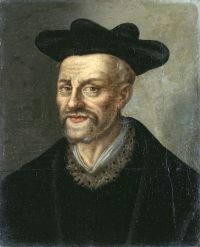
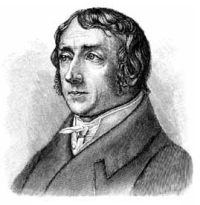
Portrait of Benito Jerónimo Feijoo Benito Jerónimo Feijoo Essays, or discourses, vol. 1… (1780)

With regard to virtue and vice, the instances of the one of them having been mistaken by the public for the other in particular people, are so numerous, that history stumbles upon them, at almost every step; nothing can illustrate this more [Pg 12] evidently, than the greatest impostors the world has produced, having passed for repositories of the secrets of heaven. Numa Pompilius, introduced among the Romans, whatever policy and religion he thought fit, by means of the fiction, that all he proposed was dictated to him by the nymph Egeria.
Source: Gutenberg

Livy From the Founding of the City… (1905)

When Numa's name was mentioned, though the Roman senators saw that the balance of power would be on the side of the Sabines if the king were chosen from amongst them, still no one ventured to propose a partisan of his own, or any senator, or citizen in preference to him. Accordingly they all to a man decreed that the crown should be offered to Numa Pompilius. He was invited to Rome, and following the precedent set by Romulus, when he obtained his crown through the augury which sanctioned the founding of the City, Numa ordered that in his case also the gods should be consulted.
Source: Wikisource

Get perspective with Kwize: daily news enlightened by great literature