Tullus Hostilius

Definition and stakes

Mary Macgregor,  The Story of Rome, From the Earliest Times to the Death of Augustus…

“ Then, in sign of their displeasure, the gods sent a plague among the people, and the king himself was smitten with sickness. In his misery Tullus remembered the gods and prayed. But Jupiter was angry, and sent a shaft of lightning from the sky, which killed Tullus and destroyed his house.
Tullus Hostilius reigned for thirty-two years, and after his death, in 640 B.C., Ancus Marcius, a grandson of Pompilius, became King of Rome.
”
Source: Gutenberg

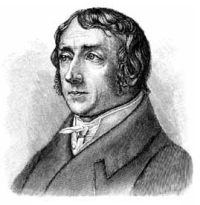
Portrait of Gilbert Abbott À Beckett Gilbert Abbott À Beckett,  The Comic History of Rome

“ Ambassadors are spoken of as existing in the reign of Tullus Hostilius, but whether they owe their origin to Numa, who went before, or to Ancus Martius, who came after him, is so much a matter of doubt, that some historians, in trying to meet the claims of both half-way, stop short of giving the merit to either. Tullus may, at all events, have the credit of employing, if he did not institute, the art of diplomacy in Rome; for he appointed ambassadors, as we have already seen, to negotiate with the Albans. ”
Source: Gutenberg

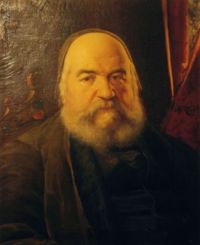
Portrait of Philip Schaff Philip Schaff,  Nicene and Post-Nicene Fathers… (1885)

“ And of Tullus Hostilius, who was the third king of Rome, and who was himself destroyed by lightning, Cicero in the same book says, that “he was not supposed to have been deified by this death, possibly because the Romans were unwilling to vulgarize the promotion they were assured or persuaded of in the case of Romulus, lest they should bring it into contempt by gratuitously assigning it to all and sundry.” In one of his invectives, [2] too, he says, in round terms, “The founder of this city, Romulus, we have raised to immortality and divinity by kindly celebrating his services;” ”
Source: Wikisource

Get perspective with Kwize: daily news enlightened by great literature