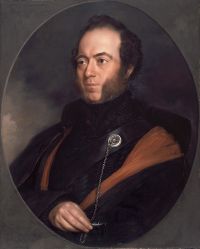
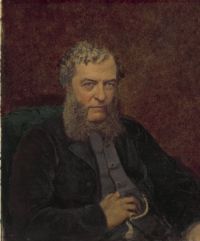
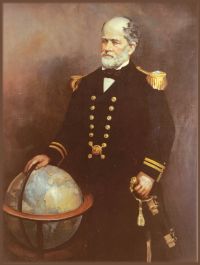
The Gulf of Carpentaria, a vast, shallow sea enclosed by northern Australia and bordered by the Arafura Sea, has long fascinated explorers and scholars. Historically, it was a central focus for European expeditions, from Matthew Flinders’ 1802 surveys to John Lort Stokes’ thorough coastal investigations, which uncovered its complex inlets and monsoonal patterns.
Authors like Ernest Scott emphasized the Gulf’s role in speculative searches for inland routes, while Stokes’ narratives highlighted its geographical intricacy. These differing viewpoints illustrate the Gulf’s dual importance as both a natural frontier and a testing ground for exploration, shaped by its extreme climate and submerged reef structures.