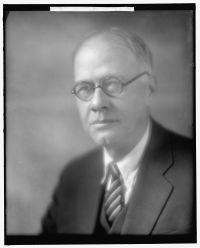
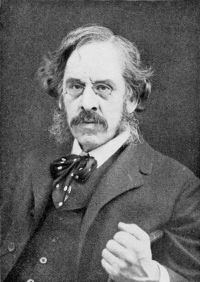
Henry Cabot Lodge Jr.

Definition and stakes

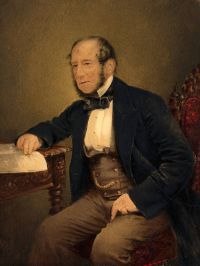
Henry Cabot Lodge,  Daniel Webster

“ Webster could not avoid admitting the force of the constitutional provisions about fugitive slaves, and was obliged to bow to their behest, yet to defend them without reservation, to attack those who opposed them, and to urge the rigid enforcement of a Fugitive Slave Law, was not in consonance with his past, his conscience, and his duty to his constituents. The constitutionality of a Fugitive Slave Law may be urged and admitted over and over again, but this could not make the North believe that advocacy of slave-catching was a task suited to Daniel Webster. ”
Source: Gutenberg

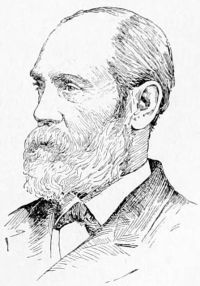
Portrait of Edwin M. Bacon Edwin M. Bacon,  The Boy's Hakluyt: English Voyages of Adventure and Discovery

“ This was the last public appearance of Cabot, or the last of which mention is made in the chronicles, although he lived for a year longer. His death occurred probably in London in 1557, sixty-one years after the first commission issued to the Cabots, John and his sons, from Henry the seventh. As in the case of his father, neither the exact date of his death nor the place of his burial is known, and Englishmen and Americans alike much regret that no monument marks the graves of these discoverers of our continent of North America. ”
Source: Gutenberg

Francis Russell,  Tragedy in Dedham (1962)

“ In that same year he took the side of United States entry into the League of Nations in a debate at Boston’s Symphony Hall with the irreconcilable Henry Cabot Lodge.
When Lowell agreed to serve on Fuller’s committee he did so reluctantly. From what he had read of the case in Frankfurter’s Atlantic article, he told Judge Grant, he rather expected to find that injustice had been done.
Whatever the criticisms that dogged Lowell afterward, he would always feel that he had done his duty. No man would ever be able to accuse him of temporizing with what he thought was right.
”
Source: Gutenberg

Get perspective with Kwize: daily news enlightened by great literature