Hepzibah Pyncheon

Definition and stakes

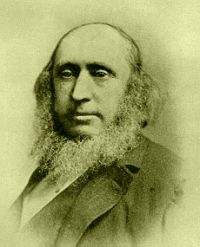
Portrait of Nathaniel Hawthorne Nathaniel Hawthorne,  The House of the Seven Gables (1851)

“ Now let Hepzibah turn the old Pyncheon portraits with their faces to the wall, and take the map of her eastern territory to kindle the kitchen fire, and blow up the flame with the empty breath of her ancestral traditions! What had she to do with ancestry? Nothing; no more than with posterity! No lady, now, but simply Hepzibah Pyncheon, a forlorn old maid, and keeper of a cent-shop! ”
Source: Wikisource

Edith Birkhead,  The Tale of Terror: A Study of the Gothic Romance

“ The people are apt to be merged into the dense shadows that lurk in the gloomy passages, but when the sun shines on them they stand out with arresting distinctness. The heroic figure of Hepzibah Pyncheon, a little ridiculous and a little forbidding of aspect, but cherishing through weary years a passionate devotion to her brother, is described with a gentle blending of humour and pathos. Clifford Pyncheon—the sybarite made for happiness and hideously cheated of his destiny—is delineated with curious insight and sympathy. ”
Source: Gutenberg

The World's Greatest Books — Volume 05…

“ I thought there were no Pyncheons left, except yourself and our Cousin Jaffrey, the judge. And yet I seem to have heard the name of Clifford Pyncheon. Yes, from my father, or my mother. But hasn't he been dead a long while?"
"Well, well, child, perhaps he has," said Hepzibah, with a sad, hollow laugh; "but in old houses like this, you know, dead people are very apt to come back again. And, Cousin Phoebe, if your courage does not fail you, we will not part soon. You are welcome to such a home as I can offer you."
”
Source: Gutenberg

Get perspective with Kwize: daily news enlightened by great literature