Daguerreotype

Definition and stakes

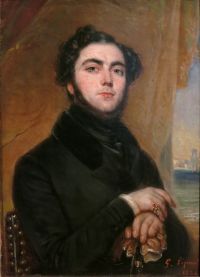
Portrait of Eugène Sue Eugène Sue The Wandering Jew — Volume 06

He pointed to the paintings before which he was now seated, and Agricola, Dagobert, and Faringhea raised their eyes to either side of the fireplace. Three exclamations were now heard at once.
"It is she—it is the same woman!" cried the smith, in amazement, "and her portrait has been here for a hundred and fifty years!"
"What do I see?" cried Dagobert, as he gazed at the portrait of the man.
"The friend and emissary of Marshal Simon. Yes! it is the same face that
I saw last year in Siberia. Oh, yes! I recognize that wild and sorrowful
air—those black eyebrows, which make only one!"
Source: Gutenberg

Portrait of Eugène Sue Eugène Sue The Wandering Jew — Volume 04

Frank, energetic, resolute characters, accustomed to act and fight in the light of day, never feel but one fear—and that is, to be ensnared and struck in the dark by enemies that escape their grasp. Thus, Dagobert had encountered death twenty times; and yet, on hearing his wife's simple revelation of this dark tissue of lies, and treachery, and crime, the soldier felt a vague sense of fear; and, though nothing was changed in the conditions of his nocturnal enterprise against the convent, it now appeared to him in a darker and more dangerous light.
Source: Gutenberg

Portrait of Eugène Sue Eugène Sue The Wandering Jew — Volume 01

But the impulse of anger, though rapid, had been so significant—the expression of the stern, pale face, bathed in sweat, was so daunting, that the Prophet and the spectators drew back a step.
Profound silence reigned for some seconds, and then, by a sudden reaction, Dagobert seemed to have gained the general interest. One of the company said to those near him; "This man is clearly not a coward."
"Oh, no! certainly not."
"It sometimes requires more courage to refuse a challenge than to accept one."
Source: Gutenberg

Get perspective with Kwize: daily news enlightened by great literature