Heraclides Ponticus

Definition and stakes

Thomas Ashby and David George Hogarth,  1911 Encyclopædia Britannica (1911)

“ Heraclea Pontica (mod. Bender Eregli) , an ancient city on the coast of Bithynia in Asia Minor, at the mouth of the Kilijsu. It was founded by a Megarian colony, which soon subjugated the native Mariandynians and extended its power over a considerable territory. The prosperity of the city, rudely shaken by the Galatians and the Bithynians, was utterly destroyed in the Mithradatic war. It was the birthplace of Heraclides Ponticus. The modern town is best known for its lignite coal-mines, from which Constantinople receives a good part of its supply. ”
Source: Wikisource

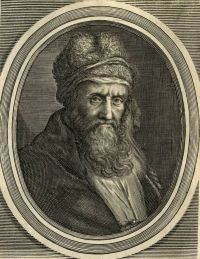
Portrait of Diogenes Laërtius Diogenes Laërtius,  Lives of the Eminent Philosophers… (1925)

“ Heraclides 86. Heraclides, son of Euthyphro, born at Heraclea in the Pontus, was a wealthy man. At Athens he first attached himself to Speusippus. He also attended the lectures of the Pythagoreans and admired the writings of Plato. Last of all he became a pupil of Aristotle, as Sotion says in his Successions of Philosophers. [53] He wore fine soft clothes, and he was extremely corpulent, which made the Athenians call him Pompicus rather than Ponticus. He was mild and dignified of aspect. Works by him survive of great beauty and excellence. ”
Source: Wikisource

Get perspective with Kwize: daily news enlightened by great literature