Hermotimus

Definition and stakes

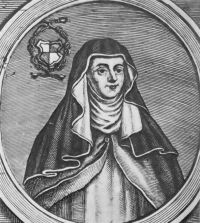
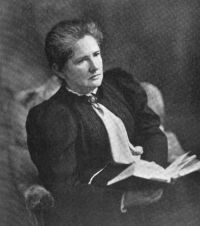
Portrait of Lydia Maria Child Lydia Maria Child,  Autumnal leaves: tales and sketches in prose and rhyme (1856)

“ Hermotimus was often bewildered by her volubility, and her incessant activity sometimes made him feel weary, as if he had himself been hard at work. He loved to sit for hours in silent thought, meditating on the nature of the soul; revolving in his mind whether the gods ever did unite themselves with mortals; and whether those philosophers had spoken truly, who had affirmed that there was something divine within the body, which would lay aside its temporary garment of flesh, resume its native wings, and return to a celestial home, to dwell among immortals. ”
Source: Gutenberg

Samuel Dill,  Roman Society from Nero to Marcus Aurelius

“ Hermotimus, the elderly enthusiast, whom the mocker meets hurrying with his books to the philosophic school, has been an ardent student for twenty years; he has grown pale and withered with eager thought. Yet he admits that he has only taken a single step on the steep upward road. Few and faint and weary are they who ever reach the summit.1821 Yet Hermotimus is content if, at the close of the efforts of a lifetime, he should, if but for a moment, breathe the air of the far-off heights and look down on the human ant-hill below. ”
Source: Gutenberg

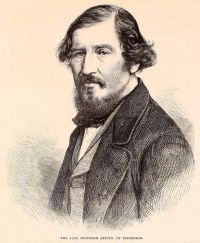
Portrait of William Edmondstoune Aytoun William Edmondstoune Aytoun,  Lays of the Scottish Cavaliers and Other Poems

“ Hermotimus, the hero of this ballad, was a philosopher, or rather a prophet, of Clazomenæ, who possessed the faculty, now claimed by the animal-magnetists, of effecting a voluntary separation between his soul and body; for the former could wander to any part of the universe, and even hold intercourse with supernatural beings, whilst the senseless frame remained at home. Hermotimus, however, was not insensible to the risk attendant upon this disunion ”
Source: Gutenberg

Get perspective with Kwize: daily news enlightened by great literature