An anchorite, derived from the Greek anakhōréō ("to withdraw"), is a person who withdraws from secular life to embrace an ascetic, prayer-centered way of life, often residing in a cell attached to a church. Unlike hermits, anchorites took vows of stability and underwent a consecration rite similar to a funeral, symbolizing their spiritual death to the world. Thriving in medieval England, they offered spiritual guidance to communities while living in solitude.
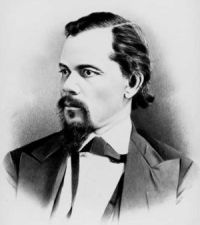
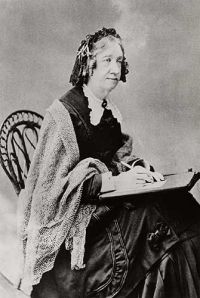
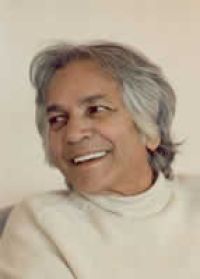
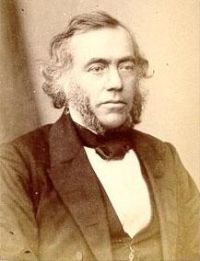
Authors like J.N. Larned distinguished anchorites from hermits, highlighting their lifelong commitment to enclosure, while others, such as U.G. Krishnamurti, examined physical and mental changes associated with ascetic practices. The anchorite tradition, though ended by the Dissolution of the Monasteries, left a lasting influence on religious and literary reflections on solitude, spirituality, and the human body’s role in sacred devotion.