Infusion

Definition and stakes

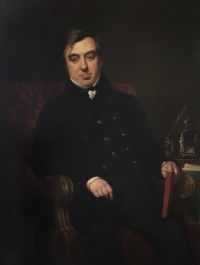
Thomas Jefferson Ritter,  Mother's Remedies

“ Infusion, two ounces of root to the pint of water.
Diseases, Dose, etc.—Dose of infusion one to two ounces. Juice, ten drops to one-half teaspoonful. Extract, ten grains. Fluid extract, one to two teaspoonfuls. It should be taken often enough, when the liver is torpid, to move the bowels once or twice a day. If the infusion is used, begin with a half ounce and take every three hours; increase or decrease as necessary. The extract is pleasanter and less bulky and best to use in winter. Take two or three grains every three hours more or less.
”

Source: Gutenberg

Portrait of Robert Boyle Robert Boyle,  Experiments and Considerations Touching Colours…

“ We have sometimes found in the Shops of our Druggists, a certain Wood, which is there called Lignum Nephriticum, because the Inhabitants of the Country where it grows, are wont to use the Infusion of it made in fair Water against the Stone of the Kidneys, and indeed an Eminent Physician of our Acquaintance, who has very Particularly enquir'd into that Disease, assures me, that he has found such an Infusion one of the most effectual Remedyes, which he has ever tried against that formidable Disease. ”
Source: Gutenberg

Portrait of John Ayrton Paris John Ayrton Paris,  Pharmacologia

“ I. Infusion should always be preferred to decoction, where the medicinal virtues of the vegetable substance reside in volatile oil, or in principles which are easily soluble; whereas, if they depend upon resino-mucilaginous particles, decoction is an indispensable operation.
II. The temperature employed must be varied according to the circumstances of each case; [537] an infusion made in the cold, is in general more grateful, but less active, than one made with heat.
”
Source: Gutenberg

Get perspective with Kwize: daily news enlightened by great literature