Edema, commonly known as dropsy, refers to the abnormal accumulation of fluid in the body's interstitial tissues, often affecting the limbs and causing swelling. Historically and medically, writers have examined this condition from various perspectives: the Elder Pliny described personal encounters with dropsy, while A. M. Worthington studied the physical behavior of liquid droplets, drawing parallels to biological functions.
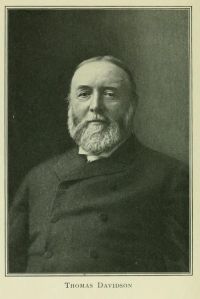
Thomas Davidson observed its medical nomenclature, and Lafcadio Hearn employed dewdrops as symbols of existential change. These differing viewpoints—ranging from clinical to literary—highlight edema’s intricate connection between physiology and human experience, underscoring its lasting importance in both science and literature.