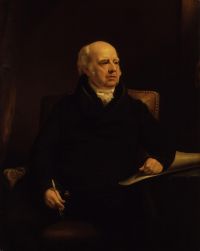
The literary concept of "splash" denotes the dynamic interaction between water and surfaces, often evoking sensory immediacy through sound, movement, and metaphor. Authors have long used this motif to convey emotion, transformation, or natural vitality. Edith Ballinger Price renders it lyrical, as water "vibrates" with a "jubilant voice," while William Sharp immerses readers in the "joy" of coastal sounds.
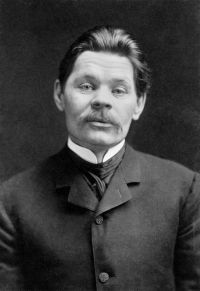
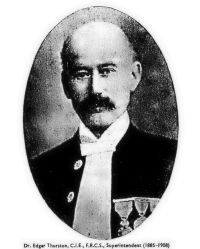
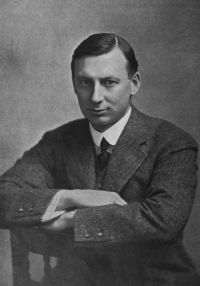
Maksim Gorky contrasts this with serene stillness, noting waves that "lap lazily," and Christopher Morley elevates it to a metaphor for freedom, where splashing becomes "an effective response to all the grievances of earth." From competitive feats, as in Edgar Thurston’s account of splash-height contests, to meditative reflections on nature’s rhythms, the theme unifies diverse perspectives on water’s fleeting, impactful presence.