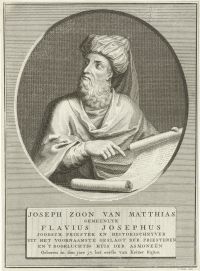
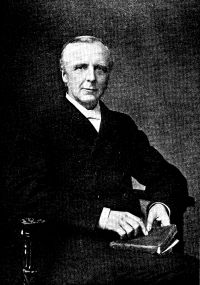
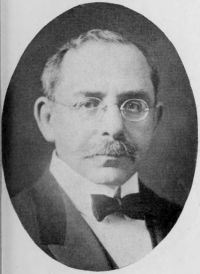
Herod the Great, king of Judea from 37/6 BCE to 4/1 BCE, is renowned for his grand construction endeavors, including the expansion of Jerusalem’s Second Temple, and his complex legacy as both a builder and a tyrant. Historians and authors, from Josephus to Lew Wallace, portray him as a figure of contradiction: a leader whose architectural mastery and political skill were accompanied by cruelty and paranoia.
Wallace’s Ben-Hur depicts him as a shattered, vengeful ruler, while John Lord highlights his jealousy and ruthless executions. Don Carlos Janes emphasizes his fear of the Messiah’s emergence, reflecting tensions between his authority and religious symbolism. His rule, characterized by both splendor and oppression, remains a controversial chapter in ancient history.
 Lew Wallace,
Ben-Hur: A tale of the Christ
(1880)
Lew Wallace,
Ben-Hur: A tale of the Christ
(1880)