Hippo Regius

Definition and stakes

1911 Encyclopædia Britannica (1911)

“ Bona is identified with the ancient Aphrodisium, the seaport of Hippo Regius or Ubbo, but it derives its name from the latter city, the ruins of which, consisting of large cisterns, now restored, and fragments of walls, are about a mile to the south of the town. In the first three centuries of the Christian era Hippo was one of the richest cities in Roman Africa ”
Source: Wikisource

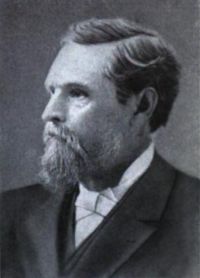
Portrait of Philip Schaff Philip Schaff,  Nicene and Post-Nicene Fathers… (1885)

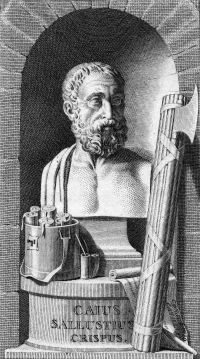
“ Gibbon (ch. xxxiii. ad ann. 430) thus describes the place which became so famous through Augustin: “The maritime colony of Hippo, about two hundred miles westward of Carthage, had formerly acquired the distinguishing epithet of Regius, from the residence of the Numidian kings; and some remains of trade and populousness still adhere to the modern city, which is known in Europe by the corrupted name of Bona.” Sallust mentions Hippo once in his history of the Jugurthine War. ”
Source: Wikisource

Karl Baedeker,  The Mediterranean (1911)

“ Besides its fine harbour, the town offers no sights; but it deserves a visit especially in winter, for the sake of its pretty situation at the foot of Jebel Edough (3307 ft.; p. 169) , not far from the picturesque Cap de Garde.
Bona lies on the small Anse du Cassarin, about 11⁄4 M. to the N.E. of Hippo, which was one of the chief Phœnician colonies on the coast of N. Africa. Under Masinissa (p. 321) Hippo was the capital of Numidia, and under the Roman empire, when it was called Hippo Regius, it was the richest port on the N. coast next to Carthage and rivalled Cæsarea (p. 244) .
”
Source: Gutenberg

Get perspective with Kwize: daily news enlightened by great literature