Indian war

Definition and stakes

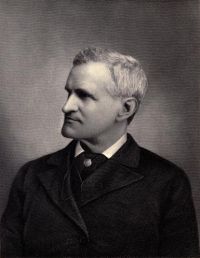
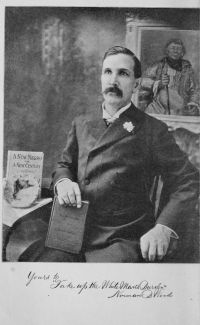
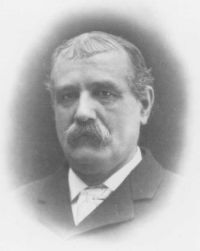
Portrait of Francis Amasa Walker Francis Amasa Walker,  The Indian Question

“ It is upon men thus exposed, without hope of escape or chance of resistance, that the first wrath of a general Indian war would break. No note of recall would avert their doom. Long before friendly runners could reach them, the war-whoop would be in their ears; and alone, unfriended, undefended, unaided, they would perish, as hundreds and thousands of our countrymen have perished, at the hands of the infuriated savages. ”
Source: Gutenberg

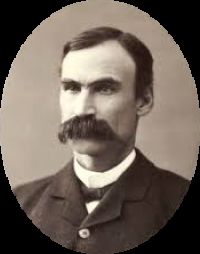
James Pierson Beckwourth,  The Life and Adventures of James P. Beckwourth (1892)

“ The Western Indians have no hummocks or everglades to fight among, but they have their boundless prairies to weary an army in, and the fastnesses of the Rocky Mountains to retreat to. Should a majority of those powerful nations coalesce in defence against one common enemy, it would be the worst Indian war—the most costly in blood and treasure that the national government has ever entered into. The coalition tribes could bring two hundred and fifty thousand warriors against any hostile force, and I know I am greatly within the limits of truth in assigning that number to them. ”
Source: Wikisource

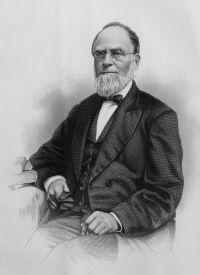
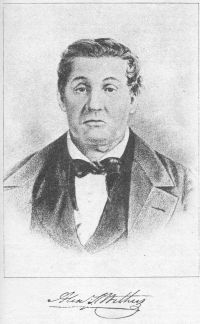
William L. Stone,  Life of Joseph Brant—Thayendanegea…

“ In justification of the savages' practices of Indian warfare, his course of reasoning was somewhat like the following: That the object of each party, when engaged in war, was to destroy his enemy, or to weaken and intimidate him so much as to force him into a reasonable peace. The Indians, he said, were destitute of many of the means and implements of war which the white people possessed. They could not successfully contend with them in the open field, man to man, because they had no artillery, so indispensable to, and so destructive in, a field fight. ”
Source: Gutenberg

Get perspective with Kwize: daily news enlightened by great literature