Indigenous peoples of the Philippines

Definition and stakes

the Congress of the Philippines Bangsamoro Organic Law (2018)

The Bangsamoro Government shall create a ministry for indigenous peoples and shall have the primary responsibility to formulate and implement policies, plans, and programs to promote the well-being of all indigenous peoples in the Bangsamoro Autonomous Region in recognition of their ancestral domain as well as their rights thereto.
Source: Wikisource

the Congress of the Philippines Bangsamoro Organic Law (2018)

Indigenous peoples and communities shall have an equitable share of the revenues generated from the exploration, development, and utilization of natural resources that are found within the territories covered by a native, traditional, or customary title in their favor, which shall be provided by a law to be passed by the Parliament detailing the sharing mechanism and percentages: Provided, That the rights and privileges granted to indigenous peoples by Republic Act No.
Source: Wikisource

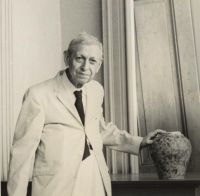
Portrait of H. Otley Beyer H. Otley Beyer Origin Myths among the Mountain Peoples of the Philippines

The interior of Mindanao is occupied by some ten pagan tribes, the most important being the Manóbos, Mandayas, Atás, Bagóbos, Biláns, Tirurais, and Subánuns. These tribes are all remarkably alike in culture; much more so, in fact, than any other similar group of peoples in the Philippines; and this culture shows a close resemblance to that of the tribes in the interior of Borneo. In the development of their myths and of their religious beliefs, these peoples occupy a middle position between the more primitive and the highest developed types of the Philippines.
Source: Gutenberg

Get perspective with Kwize: daily news enlightened by great literature