John Manning

Definition and stakes

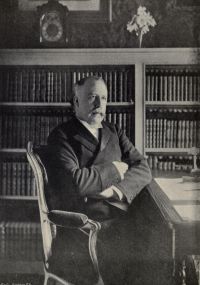
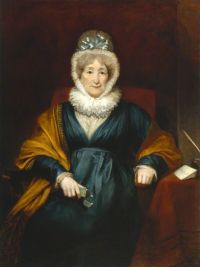
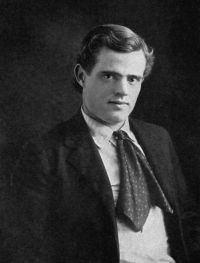
Portrait of H. C. Bunner H. C. Bunner,  In Partnership: Studies in story-telling

“ Laurence Laughton entered the room with a quick step, but the light-hearted words with which he had meant to encourage his friend died on his lips as soon as he saw how grievously that friend had changed. John Manning had faded to a shadow of his former self; the light of his eye was quenched, and the spirit within him seemed broken; the fine, sensitive, noble face lay white against the pillow, looking weary and wan and hopeless. ”
Source: Gutenberg

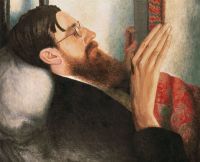
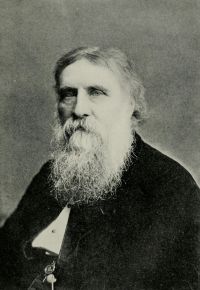
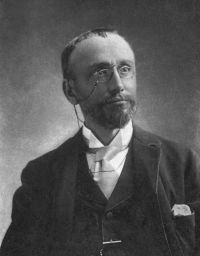
Portrait of Raffaello Carboni Raffaello Carboni,  The Eureka Stockade

“ JOHN MANNING, born in Ireland, and an Irishman to the back-bone, appeared above forty years of age. His head was bald, perhaps from thinking three times more than he ought; his forehead showed intelligence, but care was there with the plough—the plough of dreaming too much of virtue, believing the knaves are not the majority on earth. He had come young to this colony, had passed hard days, and so he had got the colonial habit, now and then, 'Divo jucundo Baccho cultum prestare;' hence his hair was fast turning grey. ”
Source: Gutenberg

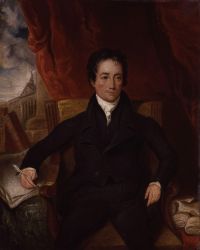
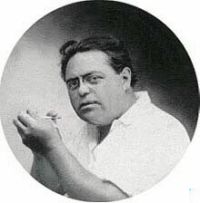
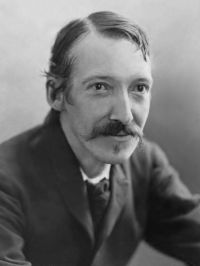
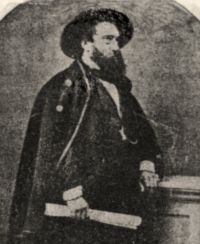
Portrait of Leslie Stephen Leslie Stephen,  Dictionary of National Biography… (1893)

“ His work on 'The Eternal Priesthood' (London, 1883, 8vo) shows how lofty was his conception of priestly dignity and duty.
Manning was above the middle height, spare and agile in frame, with extremely regular and refined features, clear and penetrating grey eyes, and a high and expansive forehead. By the rigour of his asceticism he became in later life attenuated almost to emaciation. A miniature of him (done in 1812) as a child holding a seashell to his ear was the property of his elder brother, Charles John Manning, on whose decease in 1880 it passed to his widow.
”
Source: Wikisource

Get perspective with Kwize: daily news enlightened by great literature