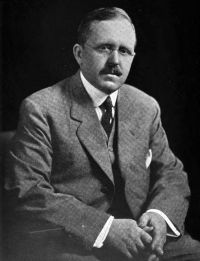
José de San Martín

Definition and stakes

José Martí The Golden Age — Three heroes

Among the other peoples of America the Spanish had been winning. Bolívar had been thrown out of Venezuela by the cruel Pablo Morillo, Hidalgo was dead, and O'Higgins fled Chile – but where San Martín was continued being America the free. There are such men, who cannot bear to see slavery. San Martín could not, and he went to liberate Chile and Peru. In eighteen days he crossed the high and cold Andes with his army: men climbing as if to heaven, hungry and thirsty: below them, far below, the trees looked like grass and torrents roared like lions.
Source: Wikisource

Earl of Thomas Cochrane Dundonald Narrative of Services in the Liberation of Chili…

God give you happiness, my friend. Always count on the sincere esteem of your affectionate
JOSE DE SAN MARTIN. This testimony from one whose creatures the more influential of the Chilian ministers were, is indisputable, but in the present case their rapacity alarmed even their patron. San Martin is however wrong in attributing the traitorous attempt to the Government collectively—the Supreme Director, O'Higgins, not being capable of such practices as were carried on under his authority—of which this is only one solitary instance.
Source: Gutenberg

J. N. Larned History for ready reference, Volumes 1 to 5 (1895)

The command of this force was given to General Don José de San Martin, a native of the town of Yapeyu in Paraguay; a man greatly beloved by all ranks, and held in such high estimation by the people, that to his personal exertions the formation of this army is chiefly due. With these troops San Martin entered Chili by a pass over the Andes heretofore deemed inaccessible, and on the 12th of February, 1817, attacked and completely defeated the royal army at Chacabuco.
Source: Gutenberg

Get perspective with Kwize: daily news enlightened by great literature