Juarez

Definition and stakes

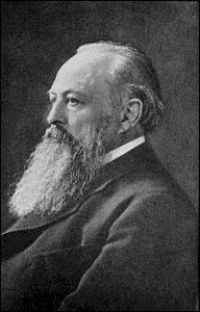
Portrait of Frederick Albion Ober Frederick Albion Ober,  Young Folks' History of Mexico (1895)

“ Juarez was promptly recognized as the president of the people, and, during the long years of strife that followed, he nobly sustained the trust imposed upon him at their hands. The army was mainly against him, the Church—with all its money and influence—was against him; but the people, brushing from their eyes the cobweb of superstition, rallied in increasing numbers about the banner of reform. ”
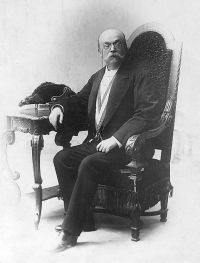
Source: Wikisource

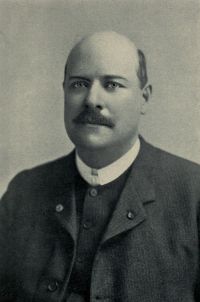
Portrait of Francisco García Calderón Francisco García Calderón,  Latin America: Its Rise and Progress

“ Juarez represented the natives, the democracy, as against the colonial oligarchy; like Tupuc-Amaru, he was the redeemer of the Indians; like Las Casas, the protector of the vanquished. Better than Guzman-Blanco and Rosas he realised the ideal of those American republics which were oppressed by memories of colonial days; hatred of all privilege, a dream of absolute liberty, war upon the tutelary Church, and a strict despotism designed to create classes and ideals. ”
Source: Gutenberg

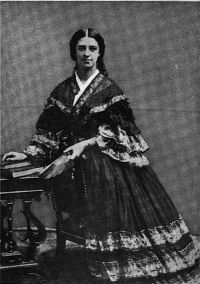
Hanna More Johnson,  About Mexico - Past and Present (1887)

“ The country called back its old leader from exile, and in July, 1855, we find Juarez in Acapulco on the road to Mexico. His old friend General Alvarez was now president of the republic, and Juarez was made minister of justice. He now found himself side by side with men who were clinging to the army as the safeguard of the nation, together with those who believed that the Church should be independent of secular law. ”
Source: Wikisource

Get perspective with Kwize: daily news enlightened by great literature