Kilwa

Definition and stakes

1911 Encyclopædia Britannica, Volume 15… (1911)

“ There are two Kilwas, one on the mainland—Kilwa Kivinje; the other, the ancient city, on an island—Kilwa Kisiwani. Kilwa Kivinje, on the northern side of Kilwa Bay, is regularly laid out, the houses in the European quarter being large and substantial. The government house and barracks are fortified and are surrounded by fine public gardens. The adjacent country is fertile and thickly populated, and the trade of the port is considerable. Much of it is in the hands of Banyans. Kilwa is a starting-point for caravans to Lake Nyasa. ”
Source: Wikisource

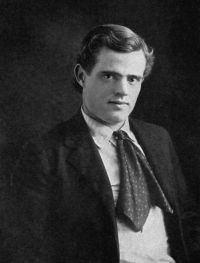
Portrait of W. E. B. Du Bois W. E. B. Du Bois,  The Negro

“ In 1330 Ibn Batuta visited Kilwa. He found an abundance of ivory and some gold and heard that the inhabitants of Kilwa had gained victories over the Zenji or Bantu. Kilwa had at that time three hundred mosques and was "built of handsome houses of stone and lime, and very lofty, with their windows like those of the Christians; in the same way it has streets, and these houses have got terraces, and the wood-work is with the masonry, with plenty of gardens, in which there are many fruit trees and much water." [32] Kilwa after a time captured Sofala, seizing it from Magadosho. ”
Source: Gutenberg

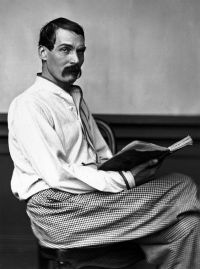
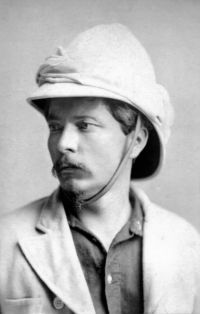
Portrait of Sir Richard Francis Burton Sir Richard Francis Burton,  The Lake Regions of Central Africa…

“ The Wábísá extend according to the Arabs from the west of the Nyassa or Kilwa Lake towards the south of the Tanganyika. They dress in bark-cloth, carry down their fine ivory to Tete and Kilimani (Quillimane) ; and every four or five years a caravan appears at Kilwa, where, confounding their hosts with the Portuguese, they call every Arab “muzungu,” or white man. They are a semi-pastoral tribe, fond of commerce, and said to be civil and hospitable to strangers. It must be observed that those geographers are in error who connect the Wabisa with the Wanyamwezi ”
Source: Gutenberg

Get perspective with Kwize: daily news enlightened by great literature