Dahomey

Definition and stakes

A. B. Ellis,  The Land of Fetish

“ The king of Dahomey is the only absolute monarch known in West Africa, the power of all the other negro potentates being limited by the influence and authority of the principal chiefs and captains, as that of the king of Ashanti is limited by the dukes of Ashanti, but he of Dahomey knows no other law than that of his own sweet will. ”
Source: Gutenberg

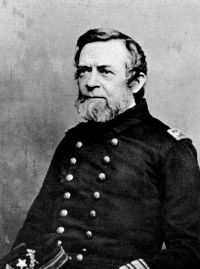
Portrait of Andrew H. Foote Andrew H. Foote,  Africa and the American Flag (1854)

“ CHAPTER VIII. DAHOMEY—SLAVISH SUBJECTION OF THE PEOPLE—DEPENDENCE OF THE KING ON THE SLAVE-TRADE—EXHIBITION OF HUMAN SKULLS—ANNUAL HUMAN SACRIFICES—LAGOS—THE CHANGES OF THREE CENTURIES.
Dalziel, in slave-trading times, shocked the world with details in reference to Dahomey. Duncan and Forbes have again presented the picture in the same hues of darkness and of blood. Ghezo is a good king as things go, and rather particularly good for an African, for whom the world has done nothing, and who, therefore, cannot be expected to do much for the world. He has a threatening example before him.
”
Source: Gutenberg

Portrait of G. A. Henty G. A. Henty,  By Sheer Pluck: A Tale of the Ashanti War

“ The property of every one who dies goes to the king; and at the Annual Custom, a grand religious festival, every man has to bring a present in proportion to his rank and wealth. The royal pomp is kept up by receiving strangers who visit the country with much state, and by regaling the populace with spectacles of human sacrifices. The women stand high in Dahomey. Among other negro nations they till the soil. In Dahomey they fight as soldiers, and perform all the offices of men. Dahomey is principally celebrated for its army of women, and its human sacrifices. ”
Source: Gutenberg

Get perspective with Kwize: daily news enlightened by great literature