Ibn Battuta

Definition and stakes

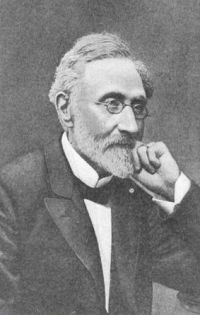
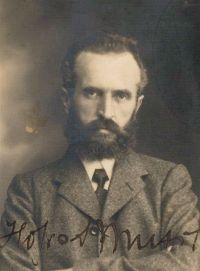
Portrait of Alois Musil Alois Musil The Northern Ḥeǧâz (1926)

According to Ibn Baṭṭûṭa, Maʻân is situated on the border of Syria. To the south of Maʻân, beyond the halting place of ʻAḳabat aṣ-Ṣawwân (the modern ʻAḳabat al-Ḥeǧâzijje) the escort proceeded through a bare, rocky plain, of which it is said: “He who enters it is as if lost, he who departs from it is as if new-born.” After two days the escort encamped at the halting place of Ḏât Ḥaǧǧ, where there were two shallow wells with water from below but no building. Ibn Baṭṭûṭa locates the next halting place in the waterless valley of Baldaḥ.
Source: Wikisource

Various The Continental Monthly, Vol. 1…

O, Abou Inau Faris! we envy the blessed people that were gathered under thy wing; we weep for our degenerate age, wherein thy like is nowhere to be found. No wonder that Ibn Batuta declares that he lays aside forever his pilgrim's staff—that, after traversing the Orient, he sits down under the full moon of the Occident, preferring it to all other regions, 'as one prefers gold-dust to the sands of the highway.' We, too, had we found such a ruler, would have laid aside our staff, and taken the oath of allegiance.
The traveler gives us the day of his departure from home: June 14, 1325.
Source: Gutenberg

James Augustus St. John The lives of celebrated travellers… (1832)

Ibn Batūta, who could not, of course, avoid visiting so great and perfect a being, going to his cell, found him to be a thin, beardless, copper-coloured old man, possessing all the external marks of a saint. When the worthy traveller saluted him, instead of returning his salutation, he seized his hand, and smelt it; and then, turning to the interpreter, he said, “This man is just as much attached to this world as we are to the next.”
Source: Gutenberg

Get perspective with Kwize: daily news enlightened by great literature