Lepcha people

Definition and stakes

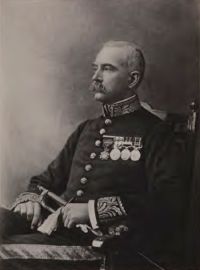
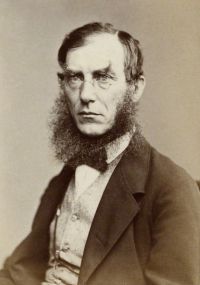
Portrait of Joseph Dalton Hooker Joseph Dalton Hooker,  Himalayan Journals — Complete

“ If they serve a good hills-man like themselves, they will follow him with alacrity, sleep on the cold, bleak mountain exposed to the pitiless rain, without a murmur, lay down the heavy burden to carry their master over a stream, or give him a helping hand up a rock or precipice—do anything, in short, but encounter a foe, for I believe the Lepcha to be a veritable coward. ”
Source: Gutenberg

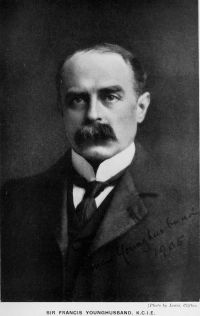
Portrait of Herbert Spencer Herbert Spencer,  Popular Science Monthly (1882)

“ Lepchas—not industrious, but yet industrial in the sense that their social relations are of the non-militant type. Though I find nothing specific said about the system under which they live in their temporary villages, yet the facts told us sufficiently imply its uncoercive character. They have no castes; "family and political feuds are alike unheard of among them"; "they are averse to soldiering"; they prefer taking refuge in the jungle and living on wild food "to enduring any injustice or harsh treatment"—traits which negative ordinary political control. ”
Source: Wikisource

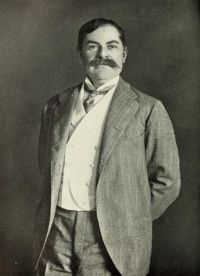
Ethel Gwendoline Vincent,  Forty Thousand Miles Over Land and Water

“ The men wear their coarse black hair in one pigtail, and the women in two—often the only distinguishing feature between the sexes. The Lepcha is an arrant coward, but a born naturalist, and has a name for every shrub and plant in Sikkim. Their dress consists "of a robe of blue and white-striped cloth, woven by the women, crossed over the breast, and gathered in with an ornamented girdle." ”
Source: Gutenberg

Get perspective with Kwize: daily news enlightened by great literature