Lexington, Kentucky

Definition and stakes

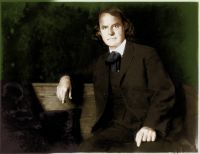
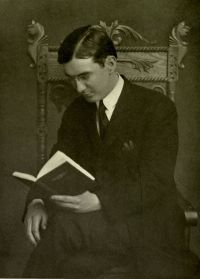
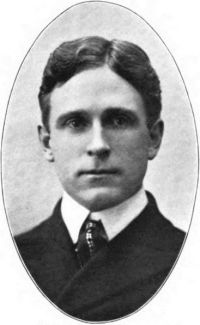
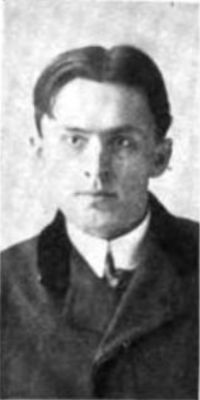
Portrait of Edwin Carlile Litsey Edwin Carlile Litsey,  A Maid of the Kentucky Hills

“ Lexington is really nothing more than a great big country town, but we love it. I reached the suburbs in half an hour, then took the pike, and walked briskly. The day had been like one huge bloom of some tropical orchid. Contrasted with the biting winter only a few weeks back, it was something to exult the heart and uplift the soul. Rain had fallen the night before. Day came with a world-wide flare of yellow sunshine; her dress a tempered breeze. By noon a coat was uncomfortable, and the air was full of music; the droning, charming, ceaseless litany of the bees. ”
Source: Gutenberg

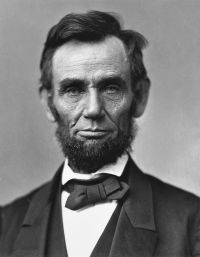
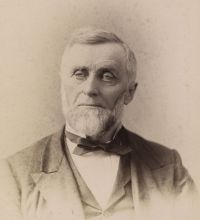
Portrait of Charles Carleton Coffin Charles Carleton Coffin,  The Boys of '61

“ Nature has done much to make it a paradise; art very little. The farm-houses are in the Kentucky style,—piazzas, great chimneys outside, negro cabins,—presenting at one view and in close contrast the extremes of wealth and poverty, power and weakness, civilization and barbarism, freedom and slavery.
The city of Lexington is a place of the past. Before railroads were projected, when Henry Clay was in the prime of manhood there, it was a place of enterprise and activity. The streets were alive with men. It was the great political and social centre of Central Kentucky.
”
Source: Gutenberg

The New International Encyclopædia…

“ Lexington is commercially important as the market for the ‘blue grass’ district, and is well known also for the manufacture of Bourbon whisky. The manufactures include also flour, saddlery and harness, carriages and wagons, canned goods, and planing-mill, foundry, and machine-shop products. The government is administered under a charter of 1894, by a mayor, elected every four years, a bicameral council, and subordinate officials, the majority of whom are chosen by the people. ”
Source: Wikisource

Get perspective with Kwize: daily news enlightened by great literature