“ Pushing on up the rugged slopes, I found many delightful seclusions—moist nooks at the foot of cliffs, and lilies in every one of them, not growing close together like daisies, but well apart, with plenty of room for their bells to swing free and ring. I found hundreds of them in full bloom within two feet of the snow. In winter only the bulbs are alive, sleeping deep beneath the ground, like field mice in their nests; then the snow-flowers fall above them, lilies over lilies, until the spring winds blow, and these winter lilies wither in turn ”
Lilies of the Field
Definition and stakes
The theme of “Lilies of the Field” has been addressed by authors such as Various, John Muir, Gertrude Jekyll, Mabel Osgood Wright and Eugene Field. It is often associated with terms like lily, flower, garden, plant and rose.
Quotes about “Lilies of the Field”
Catharine Shaw, Be not afraid (1928)
“ So Jesus said, "Consider the lilies of the field, how they grow."Who makes them grow? How do they get those delicate roots, those graceful green leaves, those sweet-smelling lovely flowers?Every spring we see the daisies and the buttercups, the wild geraniums, the primroses and bluebells, and hundreds of other flowers, which come up in the fields and hedges, without our knowing that they were there! ”
Various, The Atlantic Monthly, Volume 10…
“ In the same way the White Spiraea serves as natural background for the Field-Lilies. These lilies, by the way, are the brightest adornment of our meadows during the short period of their perfection. We have two species: one slender, erect, solitary, scarlet, looking up to heaven with all its blushes on; the other clustered, drooping, pale-yellow. I never saw the former in such profusion as last week, on the bare summit of Wachusett. The granite ribs have there a thin covering of crispest moss, spangled with the white starry blossoms of the Mountain Cinquefoil ”

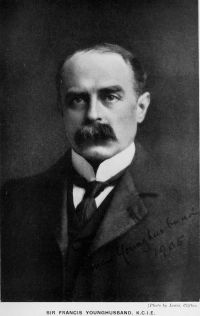
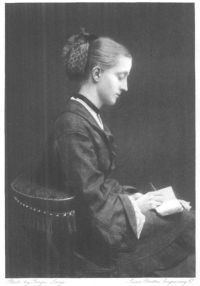
Related terms
Authors who wrote about “Lilies of the Field”
Various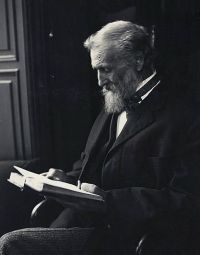 John Muir
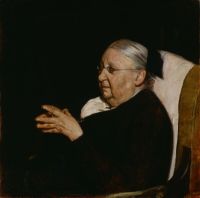 Gertrude Jekyll
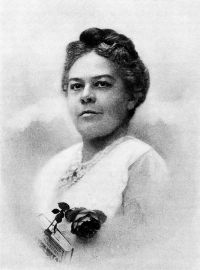 Mabel Osgood Wright
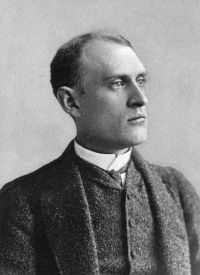 Eugene FieldNeltje BlanchanW. Robinson
 A. Mary F. RobinsonMrs. Paynter
 Henry David ThoreauSutton & Sons Ltd.
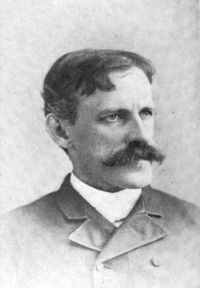 William Elliot Griffis
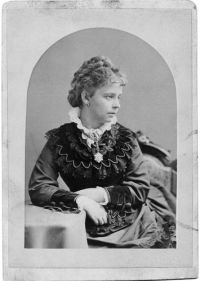 Alice Morse EarleIda D. Bennett
 Clare SheridanSarah Warner BrooksCatharine Shaw
 Jean Ingelow
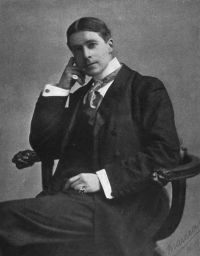 Justin H. McCarthy
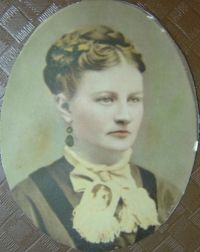 Mary Elizabeth Parsons
John MuirGertrude JekyllMabel Osgood WrightEugene FieldNeltje BlanchanW. RobinsonA. Mary F. RobinsonMrs. PaynterHenry David ThoreauSutton & Sons Ltd.William Elliot GriffisAlice Morse EarleIda D. BennettClare SheridanSarah Warner BrooksCatharine ShawJean IngelowJustin H. McCarthyMary Elizabeth Parsons