Logroño

Definition and stakes

1911 Encyclopædia Britannica, Volume 16… (1911)

“ LOGROÑO, the capital of the Spanish province of Logroño, on the right bank of the river Ebro and on the Saragossa-Miranda de Ebro railway. Pop. (1900) 19,237. Logroño is an ancient walled town, finely situated on a hill 1204 ft. high. Its bridge of twelve arches across the Ebro was built in 1138, but has frequently been restored after partial destruction by floods. The main street, arcaded on both sides, and the crooked but highly picturesque alleys of the older quarters are in striking contrast with the broad, tree-shaded avenues and squares laid out in modern times. ”
Source: Wikisource

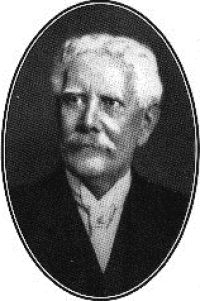
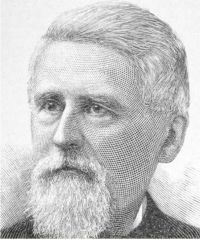
Portrait of Henry Charles Lea Henry Charles Lea,  A History of the Inquisition of Spain…

“ In the desire to stimulate the breeding of horses, a royal pragmática, in 1628, prohibited the use of mules for coaches. The inquisitors of Logroño, in the full confidence that no one would venture to interfere with them, persisted in driving with mules and when the corregidor, Don Francisco Bazan, remonstrated and threatened to seize a coach, they told him it would be his ruin. He did not venture, but, in 1633, he procured from the Council of Castile an order that no coaches should be used in Logroño, under pretext that they damaged certain shops projecting on the principal street. ”
Source: Gutenberg

Get perspective with Kwize: daily news enlightened by great literature