Mabinogi

Definition and stakes

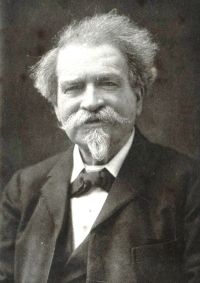
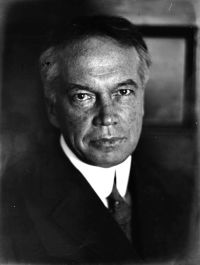
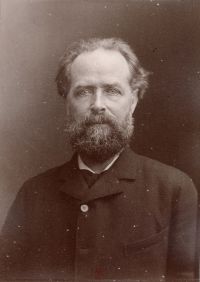
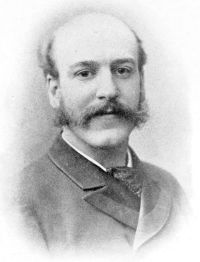
Portrait of Alfred Trübner Nutt Alfred Trübner Nutt,  Studies on the Legend of the Holy Grail

“ There are obvious similarities between the Lay and the story found in the Mabinogi and the Conte du Graal. A stag hunt is prominent in both, and whilst engaged in it the hero falls under “illusion,” in both too the incident of the seizure of the hound appears, though in a different connection. Finally in the Lay, as in the Mabinogi, the mover in the enchantment is a kinsman whose own release from spells depends upon the hero’s coming successfully out of the trials to which he exposes him. ”
Source: Gutenberg

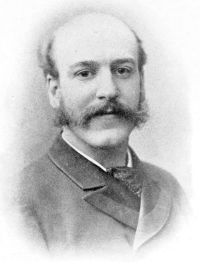
Portrait of Alfred Trübner Nutt Alfred Trübner Nutt,  Studies on the Legend of the Holy Grail

“ In the latter work a careful analysis of the Mabinogi leads to the following conclusions:—Locale and persons are purely Welsh; tone and character are older than the age of the Crusades and Knighthood; it may be looked upon with confidence as the oldest known source of the Perceval sage. In comparing the Mabinogi with Kiot’s (i.e., Wolfram’s) version, stress is laid upon the task imposed upon Peredur, which is held to be different in character and independent in origin from the Grail Quest in Kiot. ”
Source: Gutenberg

Portrait of Alfred Nutt Alfred Nutt,  Studies on the legend of the Holy Grail (1888)

“ Mabinogi (p. 83) : wherever a church, repeat there thy Paternoster; if thou see meat and drink, and none offer, take; if thou hear an outcry, especially of a woman, go towards it; if thou see a jewel, take and give to another to obtain praise thereby; pay thy court to a fair woman, whether she will or no, thus shalt thou render thyself a better man than before. (In the italicised passage the Mabinogi gives the direct opposite of Chrestien, whom he has evidently misunderstood.) Sir Perceval (p. 16) : "Luke thou be of mesure Bothe in haulle and boure, And fonde to be fre." ”
Source: Wikisource

Get perspective with Kwize: daily news enlightened by great literature