Mahrattas

Definition and stakes

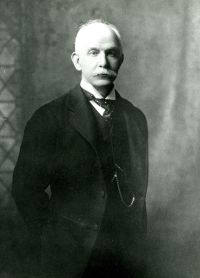
Portrait of G. A. Henty G. A. Henty,  At the Point of the Bayonet: A Tale of the Mahratta War

“ The Mahrattas, conquering race as they were, yet failed in the one virtue of courage. They could sweep the land with hordes of wild horsemen, could harry peaceful districts and tyrannize over the towns they conquered; but they were unable to make an effective stand against British bayonets and British sabres. They were a race of freebooters; and even the most sentimental humanitarian can feel no regret at the overthrow of a power that possessed no single claim to our admiration, and weighed like an incubus upon the peoples it oppressed. ”
Source: Gutenberg

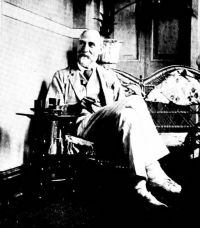
Portrait of G. A. Henty G. A. Henty,  At the Point of the Bayonet: A Tale of the Mahratta War

“ The Mahrattas acted unwisely, indeed, when they allowed the English to settle here."
"They could not foresee the future, Sufder. Now, doubtless, they are sorry; but if in the future the British become masters of India, the Mahrattas will have no reason to regret having given them a foothold. Wherever their powers extend, the natives are far better off than they were under the rule of their own princes.
”
Source: Gutenberg

James Talboys Wheeler,  India Under British Rule from the Foundation of the East India Company

“ Meanwhile the British had been drawn into a war with the Mahrattas. For a hundred years the Mahrattas had been the terror of India. Between 1660 and 1680, Sivaji, the hero of the Mahrattas, founded the Mahratta kingdom in the Western Deccan, between Surat and Goa. The head-quarters of the family of Sivaji had been at Poona, about seventy miles to the south-east of Bombay, and Sivaji's early life and exploits were associated with Poona. Subsequently, in consequence of Mogul aggressions, the Mahratta capital was removed to Satara, about seventy miles to the south of Poona. ”
Source: Gutenberg

Get perspective with Kwize: daily news enlightened by great literature