Margaret Fuller

Definition and stakes

Emma Raymond Pitman Elizabeth Fry

Margaret Fuller will be remembered as one of the "Great Conversers," the "Prophet of the Woman Movement" in this country, and her Memoirs will be read with delight as among the tenderest specimens of biographical writing in our language. She was never an extremist. She considered woman neither man's rival nor his foe, but his complement. As she herself said, she believed that the development of one could not be affected without that of the other. Her words, so noble in tone, so moderate in spirit, so eloquent in utterance, should not be forgotten by her sisters.
Source: Gutenberg

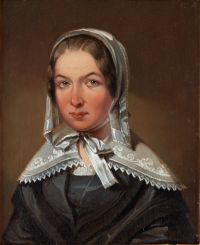
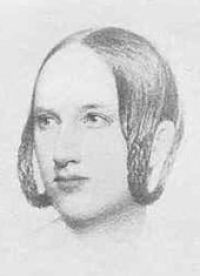
Portrait of Margaret Fuller Margaret Fuller Memoirs of Margaret Fuller Ossoli…

When I knew Margaret, I was so young, and perhaps too much disposed to meet people on my own ground, that I may not be able to do justice to her. Her nature was so large and receptive, so sympathetic with youth and genius, so aspiring, and withal so womanly in her understanding, that she made her companion think more of himself, and of a common life, than of herself. She was a companion as few others, if indeed any one, have been. Her heart was underneath her intellectualness, her mind was reverent, her spirit devout; a thinker without dryness; a scholar without pedantry.
Source: Gutenberg

Portrait of Margaret Fuller Margaret Fuller Woman in the Nineteenth Century

It need not be said, probably, that Margaret Fuller did not think the fact that books of travel by women have generally been piquant and lively rather than discriminating and instructive, a result of their nature, and therefore unavoidable; on the contrary, she regarded woman as naturally more penetrating than man, and the fact that in journeying she would see more of home-life than he, would give her a great advantage,—but she did believe woman needed a wider culture, and then she would not fail to excel in writing books of travels.
Source: Gutenberg

Get perspective with Kwize: daily news enlightened by great literature