Mary, Queen of Scots

Definition and stakes

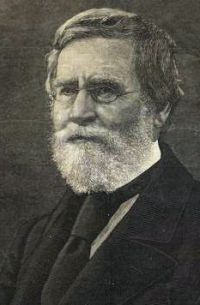
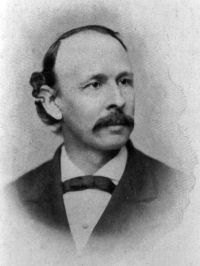
Portrait of Henry Glassford Bell Henry Glassford Bell Life of Mary Queen of Scots, Volume 1…

A new work on the subject of Mary Queen of Scots runs an eminent risk of being considered a work of supererogation. No period of British history has been more elaborately illustrated than that of her life and reign. She ascended the Scottish throne at a time replete with interest; when the country had awakened from the lethargy of ages, and when the gray dawn of civilization, heralding the full sunshine of coming years, threw its light and shade on many a bold and prominent figure, standing confessed in rugged grandeur as the darkness gradually rolled away.
Source: Gutenberg

Portrait of George William Curtis George William Curtis Literary and Social Essays

But Mary Queen of Scots is one of the characters which the imagination has chosen to take from history and decorate with immortal grace. It cares less for what the woman Mary was, than to have a figure standing upon the fact of history, but radiant with the beauty of poetry. It has invested her with a loveliness that is perhaps unreal, with a tenderness and sweetness that were possibly foreign to her character, and with a general fascination and good intention which a contemporary might not have discovered.
Source: Gutenberg

Mary Queen of Scots in History

It becomes necessary, therefore, to learn how far the men on whose testimony, or from whose conduct, we have to pass judgment on certain incidents in Mary's life, were influenced by one or other of these motives.
Mary Queen of Scots was born in Linlithgow Palace, in Scotland, on the 8th of December, 1542. The condition of Scotland at the time was sad and evil-boding. Her father, the well-beloved James V., was at Falkland, dying of a broken heart, in consequence of the humiliating conduct of the disaffected Scottish nobles at Solway Moss.
Source: Gutenberg

Get perspective with Kwize: daily news enlightened by great literature