“ Lord Robert Bertie was so fond of listening and admiring her declamation, that Lady Mary had to beg of him to desist, and “not encourage the girl to go on the stage.” Young Greatheed told Miss Wynn later on that he had often heard Mrs. Siddons read Macbeth when she was his mother’s maid.Lady Mary confessed years afterwards to “Conversation” Sharp, that so queenly was the bearing of the young girl, even at that early age, that she always felt an irresistible inclination to rise from her chair when her maid came to attend her. ”
Mary Siddons
Definition and stakes
Mary Siddons, an 18th-century actress renowned for her powerful stage presence and tragic roles, continues to be a central figure in literary explorations of theatrical brilliance and personal sacrifice. Authors such as Nina H. Kennard trace her journey from early promise to stardom at Drury Lane, emphasizing her challenges with apathetic audiences and the strain of constant performance.
J. C. Snaith contrasts her legacy with routine social customs, while Sarah Fanny Malden highlights Kennard’s narrative approach in preserving Siddons’s story through correspondence. These diverse viewpoints together reveal her talent, the weight of fame, and her lasting cultural impact, portraying her as both an artistic legend and a person shaped by the pressures of her profession.
Quotes about “Mary Siddons”
J. C. Snaith, The principal girl (1912)
“ It is unkind to make comparisons, but tea and cake in Bedford Gardens, thought Mr. Philip, is a far more interesting function than a four-course luncheon farther west. And yet the young man had by no means a great appetite just now. It was the crisis of his fate. Had Mary told Grandmamma? And what would Grandmamma say, if told she had been? For men and gods these were all-important questions.Certainly, the old thing in the real lace that had been worn by Siddons was very grande dame indeed. ”
Sarah Fanny Malden, Jane Austen (1889)
“ Kennard writes in a pleasant style, and wisely allows Mrs. Siddons to tell her own tale, by means of her letters, as frequently as space permits. The person, character, and achievements of the actress are brought clearly and picturesquely before the reader, and the book is likely to extend the fame of an artist concerning whose remarkable powers tradition is even now not silent."—Globe. Margaret of Angouleme, Queen of Navarre.By A. Mary F. Robinson. "Miss Robinson has done more than justice to her subject. ”
Related terms
Authors who wrote about “Mary Siddons”
Nina H. Kennard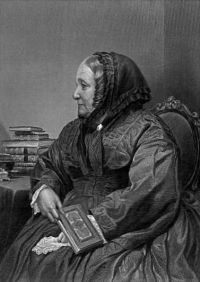 Mrs. JamesonPenelope PenningtonJ. C. Snaith
 Leslie StephenDr. DoranWilliam HazlittFrank Frankfort Moore
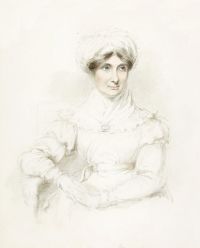 Joanna Baillie
 Fanny KembleSarah Fanny Malden
 Maria EdgeworthVarious
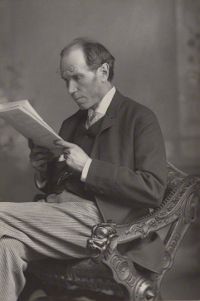 James Payn
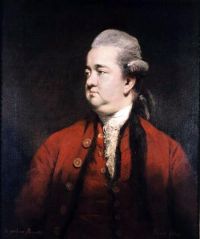 Edward Gibbon
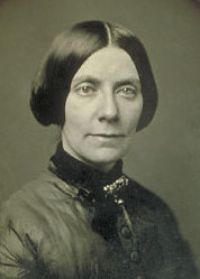 Emma Dorothy Eliza Nevitte SouthworthJoseph SandellMelesina Chenevix St. George Trench
 Amelia Opie
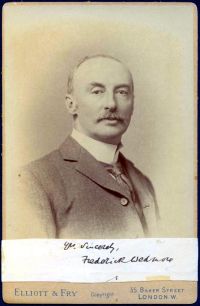 Sir Frederick Wedmore
Mrs. JamesonPenelope PenningtonJ. C. SnaithLeslie StephenDr. DoranWilliam HazlittFrank Frankfort MooreJoanna BaillieFanny KembleSarah Fanny MaldenMaria EdgeworthVariousJames PaynEdward GibbonEmma Dorothy Eliza Nevitte SouthworthJoseph SandellMelesina Chenevix St. George TrenchAmelia OpieSir Frederick Wedmore