Mary V

Definition and stakes

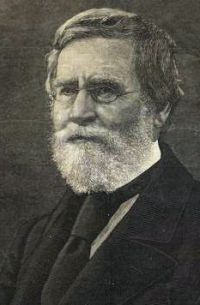
Portrait of Leslie Stephen Leslie Stephen Dictionary of National Biography… (1893)

Mary's devotion to the catholic religion—the religion of her mother—was the central feature of her life and character. Filial piety forbade, in her view, any wavering in her adherence to the pope, who had identified himself with her mother's cause. Similar sentiments underlay her regard for her cousin Charles V, on whose advice she relied in the chief crises of her life. Only half an Englishwoman, she did not recognise the imprudence of identifying herself with her Spanish kinsmen, and to her blindness in that regard must be attributed her marriage—the great error of her life.
Source: Wikisource

J. M. Stone The History of Mary I, Queen of England

Mary’s wholesale forgiveness of the insurgents had been interpreted as weakness, by a people who had not yet learned that mercy “becomes the thronèd monarch better than his crown”. Charles V. had insisted that it should be seasoned with a larger measure of justice, but in this one point Mary had disregarded his advice. Now her eyes were opened. Had the rebels been treated with proper severity, there would have been no second outbreak.
Source: Gutenberg

J. M. Stone The History of Mary I, Queen of England

During the first half of the sixteenth century, England had played but a subordinate part in the politics of Europe, and during Edward’s reign, the Government had been so weak that Charles V. had been able to demand Mary’s religious rights without compromise. France and the Empire had disputed the honours, the wealth, the prestige of the civilised world, and Mary had some reason to hope that by her marriage, she would raise her country to the rank of a first-rate power.
Source: Gutenberg

Get perspective with Kwize: daily news enlightened by great literature