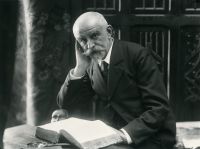
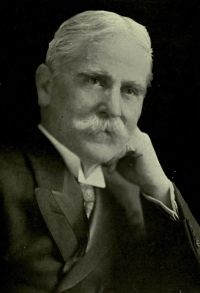
The Angelus, a Catholic prayer invoking the Incarnation of Christ, has served as a central theme for examining faith, work, and human spirituality. Authors such as Sabine Baring-Gould emphasize its significance in rural religious practice, while Eleanor H. Porter questions its portrayal of idealized life in everyday routines.
Robert Green Ingersoll highlights its emotional impact through depictions of exhausted workers, and Estelle M. Hurll connects it to art's capacity to elevate toil through reverence. Whether as a ritual, literary symbol, or social critique, the Angelus represents the connection between spiritual devotion and worldly life, illustrating diverse cultural and personal approaches to belief.