Mercantile Marine

Definition and stakes

Archibald Hurd A Merchant Fleet at War

But while this process of separation, or specialisation, has been both inevitable and fruitful, the Mercantile Marine has, in every war, beenxxii called upon by the Navy to provide transports, auxiliary cruisers, hospital and munition ships, and, in the recent Great War, minesweepers, submarine chasers, ‘Q’ ships, and many other equally vital subsidiaries. Similarly, in the personnel of the Mercantile Marine, the Navy has always had a powerful reserve, not only of experienced sailors, but of actual navally-trained officers and men.
Source: Gutenberg

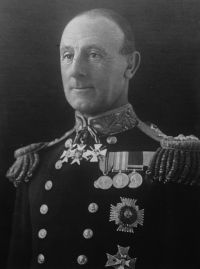
Portrait of John Rushworth Jellicoe John Rushworth Jellicoe The Crisis of the Naval War

Statistics show that good results as regards mercantile ship production were not obtained under either the Board of Trade or the Shipping Controller, one reason being that the supply of labour and material, which were very important factors, was a matter of competition between the claims of the Navy and those of the Mercantile Marine, and another the fact that many men had been withdrawn from the shipyards for service in the Army.
Source: Gutenberg

Archibald Hurd A Merchant Fleet at War

On the other hand, the Mercantile Marine remained, and still remains, individualistic, each merchant ship-owner, or company of ship-owners, building the sort of vessel best adapted to the particular enterprise in hand. Thus we have sailing from our ports, ships of all descriptions, ocean-going liners carrying passengers, cargoes and mails, as well as tramps, colliers, cold-storage vessels, and an infinity of other types.
Source: Gutenberg

Get perspective with Kwize: daily news enlightened by great literature