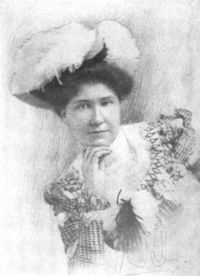
Mr. Tackleton

Definition and stakes

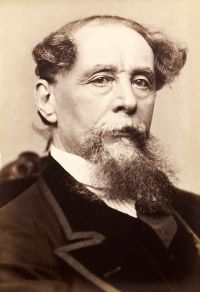
Portrait of Charles Dickens Charles Dickens,  The Cricket on the Hearth (1905)

“ Tackleton knew that, although reduced in purse, it had some pretensions to gentility; and that if certain circumstances, not wholly unconnected, she would go so far as to say, with the Indigo Trade, but to which she would not more particularly refer, had happened differently, it might perhaps have been in possession of wealth. She then remarked that she would not allude to the past, and would not mention that her daughter had for some time rejected the suit of Mr. Tackleton ”
Source: Gutenberg

Portrait of Charles Dickens Charles Dickens,  The Cricket on the Hearth (1845)

“ She then remarked, in a devout spirit, that she thanked Heaven she had always found in her daughter May, a dutiful and obedient child; for which she took no credit to herself, though she had every reason to believe it was entirely owing to herself. With regard to Mr. Tackleton she said, That he was in a moral point of view an undeniable individual, and That he was in an eligible point of view a son–in–law to be desired, no one in their senses could doubt. ”
Source: Wikisource

Portrait of Charles Dickens Charles Dickens,  The Cricket on the Hearth (1845)

“ It’s of no use to be anything but free with you, I see,’ said Tackleton. ‘Why, then, the truth is you have a—what tea–drinking people call a sort of a comfortable appearance together, you and your wife. We know better, you know, but—’
‘No, we don’t know better,’ interposed John. ‘What are you talking about?’
‘Well! We don’t know better, then,’ said Tackleton. ‘We’ll agree that we don’t. As you like; what does it matter? I was going to say, as you have that sort of appearance, your company will produce a favourable effect on Mrs. Tackleton that will be.
”
Source: Wikisource

Get perspective with Kwize: daily news enlightened by great literature