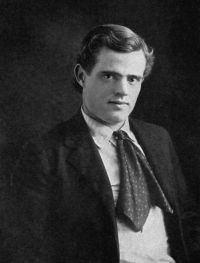
Drinking, as a literary theme, encompasses both the ritualistic and the revelatory, reflecting humanity’s complex relationship with alcohol. From Plato’s cautionary dialogue on moderation to Jerome K. Jerome’s reflection on imbibing as a necessity, authors have explored its social, psychological, and existential dimensions.
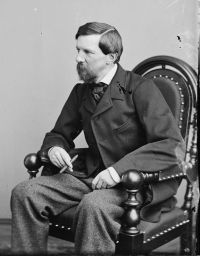
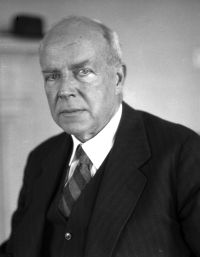
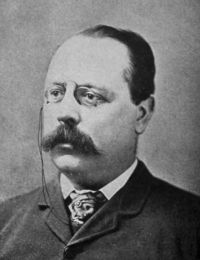
Charles Astor Bristed celebrated it as a universal act, while Abraham Myerson portrayed it as an escape from existential monotony. Whether framed as a communal rite, a personal indulgence, or a philosophical dilemma, drinking in literature reveals enduring tensions between excess and restraint, joy and despair. The theme thus serves as a lens to examine human frailty, connection, and the quest for meaning.