Naga people

Definition and stakes

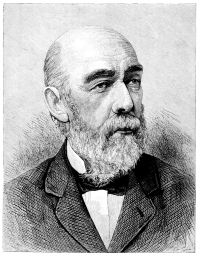
Portrait of James George Frazer James George Frazer,  The Golden Bough (1922)

“ Among the Lhota Naga, one of the many savage tribes who inhabit the deep rugged labyrinthine glens which wind into the mountains from the rich valley of Brahmapootra, it used to be a common custom to chop off the heads, hands, and feet of people they met with, and then to stick up the severed extremities in their fields to ensure a good crop of grain. ”
Source: Wikisource

John Shakespear,  The Lushei Kuki Clans

“ Now that all fear of being raided has gone for ever, people no longer feel the need of living together in large communities, and the size of villages is steadily decreasing. The peculiar vagabond strain in the blood of the Kuki-Lushai race, if not controlled, leads to villages splitting into hamlets and hamlets sub-dividing, till in the Manipur Hills we find single houses in the midst of dense jungle, several miles from the next habitation. This could never happen among tribes belonging to the Naga group, with whom intense love for the ancestral village site is a leading characteristic. ”
Source: Gutenberg

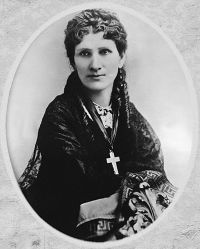
Portrait of Anna Harriette Leonowens Anna Harriette Leonowens,  Life and Travel in India

“ There are many tribes in India who have assumed the name of Nagas or Serpents from the earliest times. Diodorus supposes that the snake had been used as their crest or banner. There are three kinds of serpent-worship practised in India, and each is peculiar to a distinct class of people, although all the natives of India, except the Mohammedans, either from dread of the deadly serpent or from a feeling of veneration, join in the festival of the naga-poojmi. ”
Source: Gutenberg

Get perspective with Kwize: daily news enlightened by great literature