Gandhara

Definition and stakes

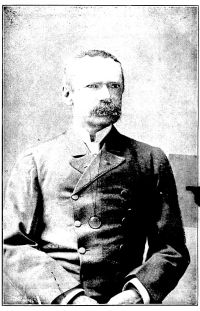
Portrait of H. G. Wells H. G. Wells,  The Outline of History: Being a Plain History of Life and Mankind

“ The kingdom of Gandhara on the northwest frontier near Peshawar, which flourished in the third century B.C., was a typical{v1-429} meeting-place of the Hellenic and Indian worlds. Here are to be found the earliest Buddhist sculptures, and interwoven with them are figures which are recognizably the figures of Serapis and Isis and Horus already worked into the legendary net that gathered about Buddha. No doubt the Greek artists who came to Gandhara were loath to relinquish a familiar theme. ”
Source: Gutenberg

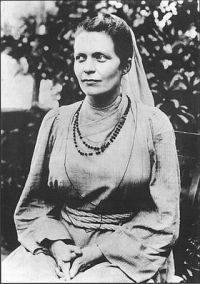
Portrait of Sister Nivedita Sister Nivedita,  Footfalls of Indian History (1915)

“ The difference between "India of the North"—or the Gandharan provinces beyond the Indus—and India proper in all matters of learning and the faith comes out very prominently in the pages of Fa-Hian, and ought to refute sufficiently all who imagine Gandhara as possessed of a culture in any way primary and impulsive, instead of entirely derivative and passive. ”
Source: Wikisource

Portrait of Sir Aurel Stein Sir Aurel Stein,  The Thousand Buddhas (1921)

“ The now well-known sculptures of Gandhāra, a fine series of which may be seen in the British Museum, date from about the first century of our era to about the sixth. They represent a late Hellenistic tradition put to the service of the Indian religion. It was in{4} Gandhāra that the types of Buddhist art became fixed. It was there that the type of Śākyamuni himself was first invented, or rather adapted from the ideal forms of Hellenistic sculpture. For some centuries after the Buddha’s death, Indian artists had always refrained from representing the image of the Lord. ”
Source: Gutenberg

Get perspective with Kwize: daily news enlightened by great literature