Nicholas V

Definition and stakes

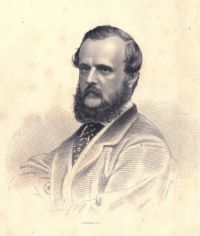
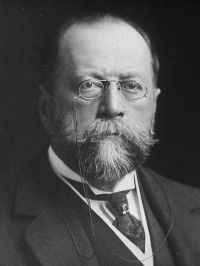
Portrait of Richard Claverhouse Jebb Richard Claverhouse Jebb,  The Cambridge Modern History, Volume 1… (1902)

“ His successor, Nicholas V, a scholar and a statesman, read in Valla's tract a sign of the times. The Council of Florence (1438) , where Greeks and Latins met in conference, had lately shown that the history of the early Church could not be fully understood without a knowledge of Greek writings. And now it was plain that the long impunity of ecclesiastical forgery was drawing to an end. Nicholas saw that humanism would be less disastrous to the Vatican as an uncongenial inmate than as an irrepressible critic. He made Valla an official of the Curia. ”
Source: Wikisource

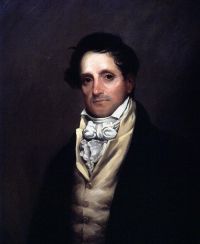
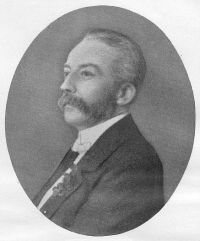
Portrait of Henry Charles Lea Henry Charles Lea,  A History of the Inquisition of the Middle Ages…

“ Nicholas V., who had sent the Bishop of Lesina back as legate, ordered him to preach a crusade with Holy Land indulgences, and active efforts were made in the good work. Early in 1451 the Bishop of Lesina sent most encouraging reports of the result. Many of the nobles had sought conversion; the king in every way helped the Franciscans, and had founded several houses for them; wherever these houses existed the heretics melted away like wax before the fire, and if a sufficient supply of friars could be had heresy would be extirpated. ”
Source: Gutenberg

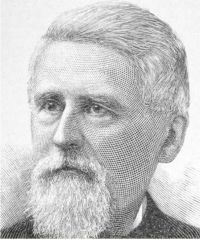
The historians' history of the world in twenty-five volumes…

“ An embassy was sent to Pope Nicholas V, begging immediate aid, and declaring the emperor’s readiness to complete the union of the churches in any way the pope should direct. Nicholas despatched Cardinal Isidore, the metropolitan of Kieff, who had joined the Latin church, as his legate. Isidore had represented the Russian church at the council of Florence; but on his return to Russia he was imprisoned as an apostate, and with difficulty escaped to Italy. He was by birth a Greek ”
Source: Gutenberg

Get perspective with Kwize: daily news enlightened by great literature