Nineteenth Amendment to the United States Constitution

Definition and stakes

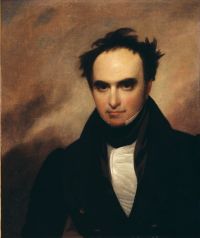
Portrait of Charles A. Beard Charles A. Beard History of the United States — Chapter VIII: The Clash of Political Parties (1921)

To reassure those who still feared that local rights might be invaded by the federal government, the tenth amendment expressly provided that the powers not delegated to the United States by the Constitution, nor prohibited by it to the states, are reserved to the states respectively or to the people.
Source: Wikisource

The Constitution of the United States of America…

Although other interpretive decisions of federal courts are unavailable, many State courts, taking their cue from pronouncements of the Supreme Court as to the operative effect of the similarly phrased Fifteenth Amendment, have proclaimed that the Nineteenth Amendment did not confer upon women the right to vote but only prohibits discrimination against them in the drafting and administration of laws relating to suffrage qualifications and the conduct of elections.
Source: Gutenberg

William F. Russell The Short Constitution

The nineteenth amendment which is now ratified by the States, provides that “the right of citizens of the United States to vote shall not be denied or abridged by the United States or by any State on account of sex.”—Constitution of the United States, Amendment XIX.
81.“The good citizen must in the first place, recognize what he owes his fellow citizens. If he is worthy to live in a free republic he must keep before his eyes his duty to the nation of which he forms a part. He must keep himself informed, and he must think of himself as well as of the great questions of the day
Source: Gutenberg

Get perspective with Kwize: daily news enlightened by great literature