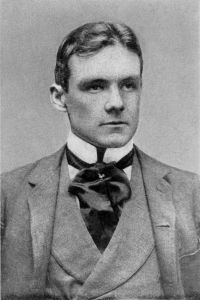
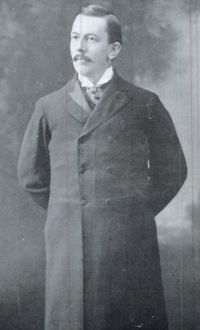
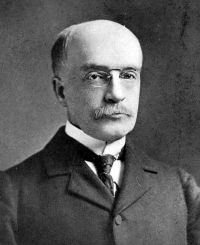
Oklahoma City, the capital of the U.S. state of Oklahoma, is a sprawling metropolis renowned for its economic vitality in oil, transportation, and logistics, as well as its strength in overcoming historical tragedies such as the 1995 bombing. Its geography, spanning the Cross Timbers and the Oklahoma River, has influenced its development as a regional center. Authors have long portrayed the city from diverse angles: William Jefferson Clinton highlighted its communal strength after the attack, while Richard Harding Davis depicted its early years as a frontier settlement defined by rugged practicality.
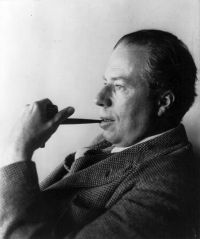
J. Breckenridge Ellis emphasized its symbolic significance in Oklahoma’s statehood, framing it as a reflection of expansion and integration. These viewpoints, ranging from political speech to literary insight, together illustrate Oklahoma City’s duality—as both a place of deep sorrow and a symbol of forward-thinking resilience, its character shaped by enduring trials and intentional transformation.