Omaha, Nebraska

Definition and stakes

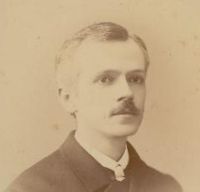
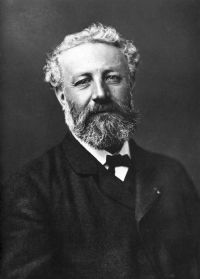
Portrait of William Seymour Edwards William Seymour Edwards,  In to the Yukon

“ These two enterprises, the cattle killing and packing and ore-reducing, together with large railway shops, constitute the chief industrial interests of Omaha, and, for the rest, the city depends upon the extensive farming and grazing country lying for five hundred miles between her and the Rocky Mountains. As they prosper, so does Omaha; as they are depressed, so is she. And only one thing, one catastrophe does Omaha fear, far beyond words to tell—the fierce, hot winds that every few years come blowing across Nebraska from the furnace of the Rocky Mountains’ alkali deserts. ”
Source: Gutenberg

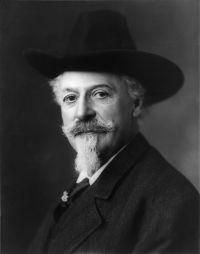
Willard W. Glazier,  Peculiarities of American Cities

“ Omaha can scarcely fail to become the greatest city west of St. Louis. Founded but a generation ago, its business is already stupendous, though it is really but a beginning of what it promises to be in the future. As Iowa, Nebraska, and the States and Territories still further to the northwest, become more thickly settled, with their resources developed, it will form their natural commercial centre, to which they will look for supplies, and where they will find a market or a port for their produce and manufactures. ”
Source: Gutenberg

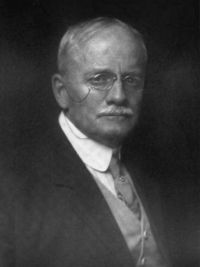
Portrait of Joel Cook Joel Cook,  America, Volume 6 (of 6)

“ Three bridges cross the Missouri to Omaha, on the western shore, two for railways, one of them being the great steel bridge carrying over the Union Pacific, the pioneer railroad constructed to the Pacific Coast. Omaha is the chief city of Nebraska, the State receiving its name from the Nebraska river, meaning the "place of broad shallow waters." Omaha has over one hundred and fifty thousand people and is built on a wide plateau elevated about eighty feet above the river, from which it gradually slopes upward. ”
Source: Gutenberg

Get perspective with Kwize: daily news enlightened by great literature