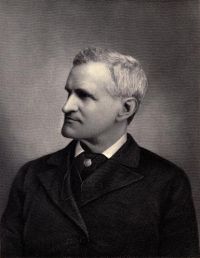
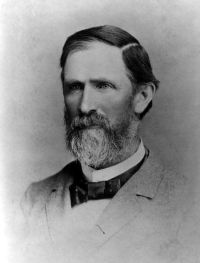
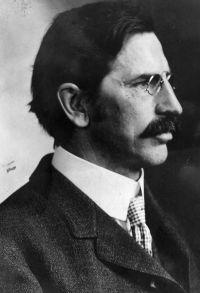
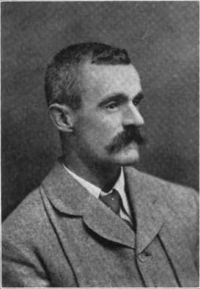
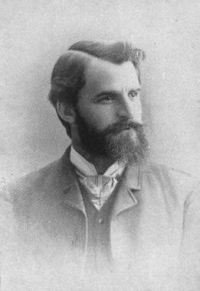
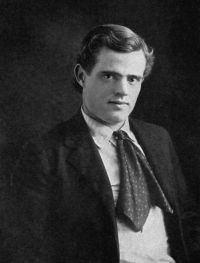
The Oregon Trail, a historic 2,170-mile wagon route stretching from Missouri to Oregon, functioned as a crucial link for 400,000 settlers between 1846 and 1869, bridging the Midwest with the Pacific Northwest. Authors such as Howard R. Driggs underscored its legacy as a "sacred" path shaped by pioneers' hardships, while James David Gillilan praised its natural beauty, and Emerson Hough viewed it as a driving force behind westward growth.
Francis Parkman’s evocative portrayals of the landscape highlighted the trail’s significance as both a tangible and symbolic journey. These narratives together emphasize the Oregon Trail as a symbol of human endurance, aspiration, and the profound impact of migration.
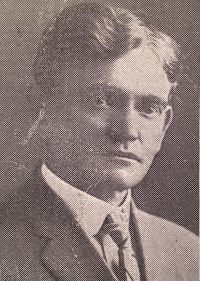 Howard R. Driggs,
Ox-Team Days on the Oregon Trail
Howard R. Driggs,
Ox-Team Days on the Oregon Trail