Palace of Whitehall

Definition and stakes

W. J. Loftie Whitehall: historical and architectural notes

It forms at the present day a conspicuous, but not beautiful, object from the deck of the passing steamer, but is seldom visited, as it has nothing except its vast size to recommend it. But the palace of Whitehall was designed by Inigo Jones to be both larger than any other, and also so beautiful that even the little fragment with which we are familiar has challenged the admiration of every one who has any architectural taste for more than two hundred and fifty years.
Source: Gutenberg

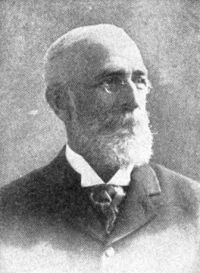
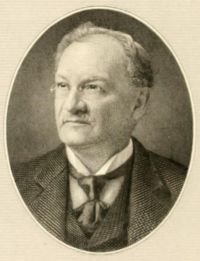
Portrait of Walter Besant Walter Besant Westminster

King’s House of Westminster, there now remain nothing more than a single hall much changed, a crypt much restored, a cloister, and a tower. But this is autumnal opulence compared with the Palace of Whitehall. Of that broad, rambling place, as taken over and enlarged by Henry VIII., there now remains nothing at all—not a single chamber, not a tower, not a gateway, not a fragment; everything is gone: even the disposition of its courts and lanes, generally the last thing to be lost, can no longer be traced.
Source: Gutenberg

J. Fitzgerald Molloy Royalty Restored; Or, London Under Charles II

Nor was there a more conspicuous figure observable in the palace of Whitehall than this same earl, who was ever foremost in pursuit of such pleasures as wine begets and love appeases. His mirth was the most buoyant, his conversation the most agreeable, his manner the most engaging in the world; whence he became "the delight and wonder of men, the love and dotage of women." A courtier possessed of so happy a disposition, and endowed with such brilliant talents, could not fail in pleasing the king
Source: Gutenberg

Get perspective with Kwize: daily news enlightened by great literature