A gable is the triangular section of a wall formed by the intersection of two-pitched roofs, a structural element shaped by climate, materials, and aesthetics. Found in gabled roofs, it defines architectural styles from Gothic to classical, often embellished with decorative elements like crockets or stepped profiles. Authors have long engaged with this form: Hawthorne’s House of the Seven Gables imbues the structure with ancestral symbolism, while Lagerlöf’s Wonderful Adventures of Nils highlights its ornate presence in a fantastical city.
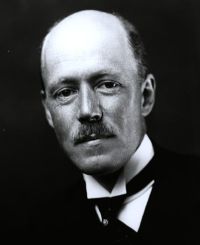
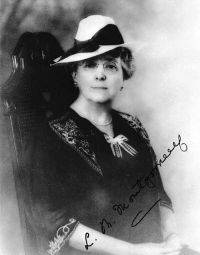
Montgomery’s Anne of Green Gables contrasts the gable’s static presence with the dynamic lives within, and Eddison’s The Worm Ouroboros frames it as a natural, rugged landmark. These varied depictions underscore the gable’s dual role as both a functional architectural feature and a medium for narrative and artistic expression.
 Nathaniel Hawthorne,
House of the Seven Gables
(1851)
Nathaniel Hawthorne,
House of the Seven Gables
(1851)