Papuan people

Definition and stakes

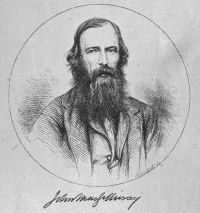
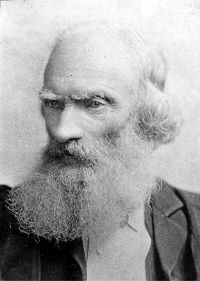
Portrait of Alfred Russel Wallace Alfred Russel Wallace,  The Malay Archipelago, Volume 2

“ They are accustomed to visit the same places every year, and the natives can have no fear of them, as may be alleged in excuse for their attacks on Europeans. In other extensive districts inhabited by the same Papuan races, such as Mysol, Salwatty, Waigiou, and some parts of the adjacent coast, the people have taken the first step in civilization, owing probably to the settlement of traders of mixed breed among them, and for many years no such attacks have taken place. ”
Source: Gutenberg

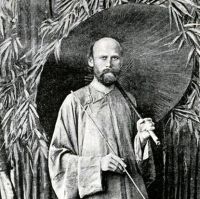
H. M. Dauncey,  Papuan Pictures

“ You could not follow the words, but the bowing of the head by the natives, and the opening of the New Testaments, would mark the times of prayer and of reading the lessons. How often one wishes the Papuans were direct descendants of the Sweet Singer of Israel; but, alas! they are not even distant relatives, and most of the Samoans can claim but little closer kinship, and so cannot help the Papuan much. Tuneful singing cannot be expected from a people with a range of about three notes, especially when they do not always use even these three. They will chant a hymn on one note only. ”
Source: Gutenberg

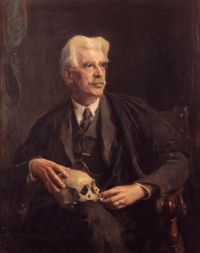
Portrait of Frank Fox Frank Fox,  Peeps At Many Lands: Australia

“ The race seems doomed to perish. Something can be done to prolong their life, to make it more pleasant; but they will never be a people, never take any share in the development of the continent which was once their own.
A quite different type of native comes under the rule of the Australian Commonwealth—the Papuan. [43] Though Papua, or New Guinea, as it was once called, is only a few miles from the north coast of Australia, its race is distinct, belonging to the Polynesian or Kanaka type, and resembling the natives of Fiji and Tahiti.
”
Source: Gutenberg

Get perspective with Kwize: daily news enlightened by great literature