Peshitta

Definition and stakes

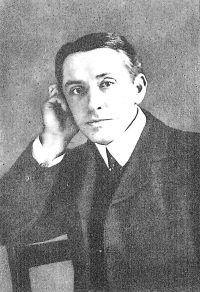
Portrait of Francis Crawford Burkitt Francis Crawford Burkitt,  Early Christianity outside the Roman Empire (1899)

“ The Old Testament in Syriac first claims our attention, and chiefly because it may serve to remind us of one most important factor among the populations of the Euphrates valley, viz. the Jews. The appellation Pĕshiṭtâ (i.e. 'simple') by which this version is familiarly known to us does not seem to be older than the 9th century. It was probably given to distinguish it from the work of Paul of Tella, which is a translation made from Origen's Hexapla and consequently embellished with a complicated apparatus of critical signs. ”
Source: Wikisource

A. C. Burnell,  Hobson-Jobson

“ PESHWA, s. from Pers. 'a leader, a guide.' The chief minister of the Mahratta power, who afterwards, supplanting his master, the descendant of Sivaji, became practically the prince of an independent State and chief of the Mahrattas. The Peshwa's power expired with the surrender to Sir John Malcolm of the last Peshwa, Bājī Rāo, in 1817. He lived in wealthy exile, and with a jāgīr under his own jurisdiction, at Bhitūr, near Cawnpoor, till January 1851. His adopted son, and the claimant of his honours and allowances, was the infamous Nānā Sāhib. ”
Source: Gutenberg

Get perspective with Kwize: daily news enlightened by great literature