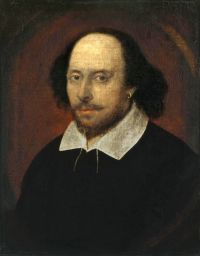
Petruchio, a central figure in Shakespeare’s The Taming of the Shrew, embodies a complex mix of boldness and influence, famed for his unconventional approach to "taming" the spirited Katherine. Authors like William Shakespeare portray him as a brash, self-assured man who employs psychological and physical strategies to dominate his wife, evident in his severe treatment of her horse and his confrontational interactions with other characters.
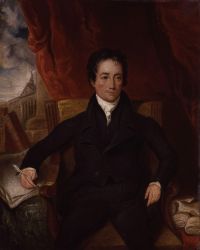
Mary and Charles Lamb, in their adaptations, temper his traits while preserving his role as a contrast to the more submissive husbands in the play. William Hazlitt interprets Petruchio’s outward madness as a mask for his unyielding quest for dominance, emphasizing his disregard for logic. These differing depictions—from Shakespeare’s combative rogue to Hazlitt’s strategic manipulator—portray Petruchio as a symbol of marital power relations, shaped by literary reinterpretations that highlight his lasting cultural significance.